COUNTER HUMAN TRAFFICKING ACTIVITIES
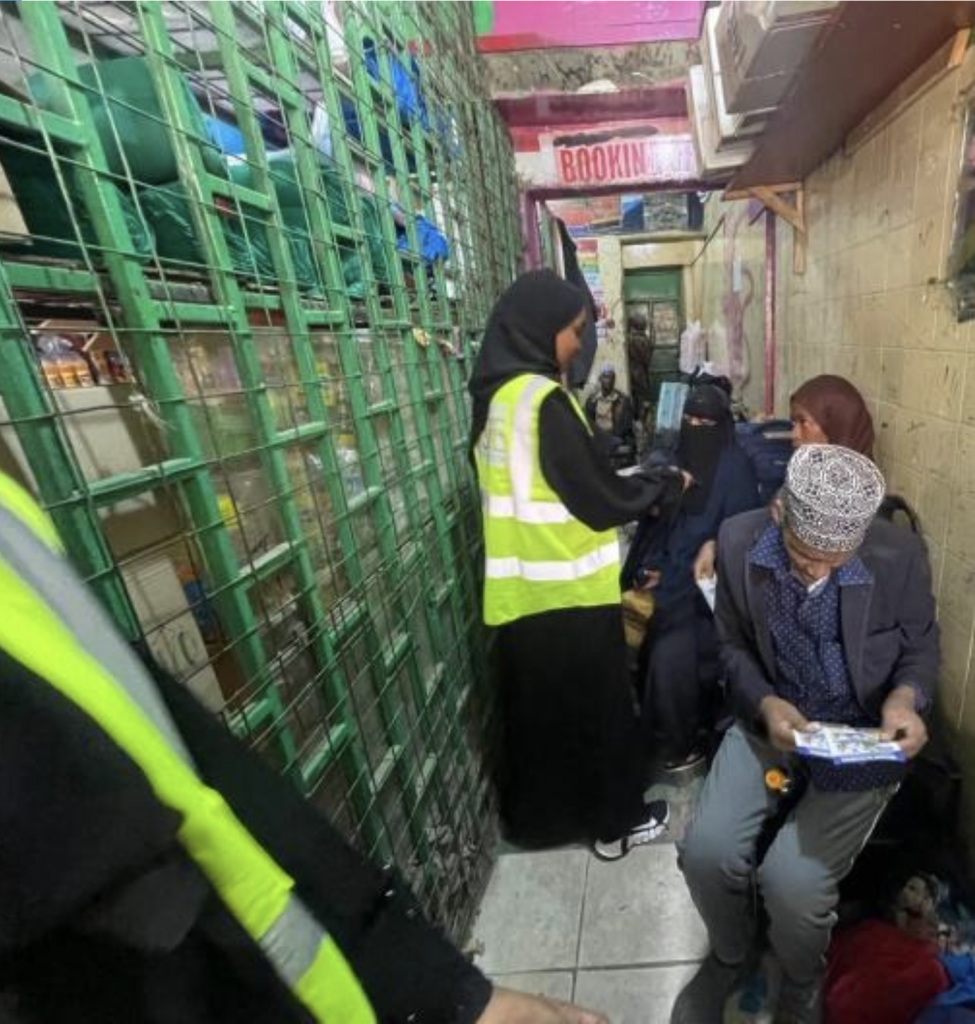
Helpline calls rose by 141%, monthly website visits tripled, and social media outreach exceeded 15,000 users. A total of 62 victims were intercepted and assisted.
Communication Strategy Under BMM III Kenya
To combat persistent human trafficking along Kenya’s transport corridors, the Candle of Hope Foundation (COHF), in partnership with Terre des Hommes (TdH) and Trace Kenya, implemented a robust communication strategy under the BMM III Program, funded by GIZ. Building on BMM II, this phase focused on strengthening the capacity of transport sector actors (TSAs), improving referral systems, disseminating IEC materials, and enhancing monitoring and evaluation (M&E).
Between October and November 2023, six trainings were conducted in Busia, Nairobi, and Mombasa, reaching 178 TSAs (156 men, 22 women). Post-training assessments showed significant improvements in identifying trafficking indicators (from 35% to up to 99%) and referral knowledge (over 83% proficiency). Busia showed near-universal gains, with referral knowledge rising to 97%. From January to August 2024, 1,027 trafficking intercepts were recorded-a 51% increase from BMM II. COHF led in performance, supported by WhatsApp follow-ups with trained TSAS. Referral systems expanded to include children’s officers and CSOs, providing broader victim support.
The strategy also deployed 3,950 IEC materials along over 15 major routes, including posters (some in Luhya), leaflets, vehicle stickers, and USBs with audio messages-addressing literacy barriers and maximizing reach in key areas like Eastleigh and cross-border routes. Digital platforms saw marked growth: helpline calls rose by 141%, monthly website visits tripled, and social media outreach exceeded 15,000 users. These efforts were particularly effective with younger, tech-savvy TSAS.
Challenges included resistance from ride-hailing drivers and inconsistent reporting. These were mitigated by pivoting to matatu and trucker groups, WhatsApp check-ins, and simpler reporting tools. Concerns over poster durability led to innovations like reusable headrest covers. The impact was notable: 62 victims were intercepted and assisted (up from 32 in BMM II), TSA training is being integrated into licensing in three counties, and Trace Kenya’s referral model has gained national recognition. Sustainability efforts included establishing a TSA Champions Network, county-level MoUs, and permanent SACCO radio messaging.
Key lessons included the effectiveness of peer-to-peer training, importance of audio content for low-literacy audiences, and the value of regular refresher sessions. Looking ahead, COHF and partners recommend expanding to 10 new border points, developing audio content in Swahili and Somali, and partnering with NTSA for nationwide rollout. The BMM III strategy effectively combined training, IEC dissemination, and digital engagement to build TSA capacity and institutional responses to human trafficking across Kenya.
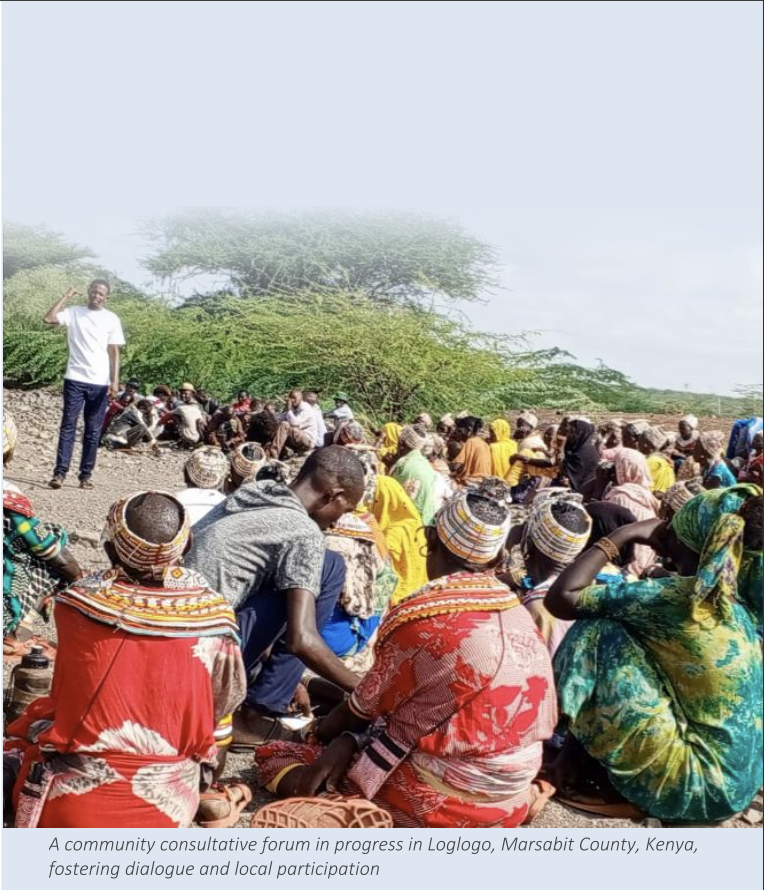
As a result, communities co- developed locally relevant SBCC action plans and pledged to establish surveillance teams, referral pathways, and awareness campaigns.
Despite cultural and logistical challenges-including gender participation gaps and adverse weather conditions-COHF employed flexible scheduling, culturally sensitive messaging, and strategic engagement with traditional authorities to ensure broad participation. Key mitigation strategies included the use of local facilitators, indoor meeting venues, and pre-forum mobilization through community leaders.
The success of the December activities laid a strong foundation for future project implementation. With the establishment of functional Steering Committees, community-owned action plans, and ongoing SBCC efforts, the ACRE project is gaining momentum as a transformative initiative in Marsabit. The community forums and committees are not just interim interventions but stepping stones toward a resilient and inclusive response to the dual crises of climate vulnerability and human trafficking.
As the project moves into 2025, COHF will focus on expanding SBCC outreach, onboarding Victims of Trafficking (VoTs) into leadership roles, and strengthening county-level partnerships for sustainability. The collaborative spirit witnessed across Marsabit underscores a growing local commitment to breaking cycles of exploitation and building climate-resilient futures for all.
Project Addressing Human Trafficking Through Climate Resilience Enhancement (ACRE) Project in Marsabit County, Kenya
In response to the escalating risks of human trafficking fueled by climate-induced displacement in northern Kenya, the Candle of Hope Foundation (COHF), in partnership with the International Organization for Migration (IOM) and World Vision Kenya, implemented a series of community-driven activities under the ACRE project in December 2024. These interventions, conducted in six sub-counties across Marsabit County-Loglogo, Sololo Makutano, Karare, Maikona, Dambala Fachana, and Laisamis- aimed to promote resilience, gender equity, and local governance through participatory approaches rooted in Social Behavior Change Communication (SBCC).
The initiative launched with 21 consultative community forums held between 2nd and 16th December. These forums, designed under the Daisy, Lily, and Tulip intervention models, introduced the ACRE project while raising community awareness of the direct and indirect links between environmental stressors and increased vulnerability to human trafficking, particularly among women, children, and displaced populations. A total of 597 community members (349 men, 242 women) actively engaged in the sessions. The forums integrated inclusive facilitation techniques-such as storytelling, group work, and participatory planning-and reached marginalized groups including persons with disabilities, youth, and elders. As a result, communities co-developed locally relevant SBCC action plans and pledged to establish surveillance teams, referral pathways, and awareness campaigns. In locations such as Sololo and Karare, women’s groups formed savings collectives to reduce economic vulnerability, while youth in Karare initiated dialogues with authorities to institutionalize anti-trafficking reporting channels.
Parallel to these awareness efforts, between 9th and 18th December 2024, COHF facilitated the formation of interim Steering Committees in each intervention site. A total of 319 participants (198 men, 121 women) took part in the formation workshops, resulting in 78 committee members being selected. These bodies are inclusive of local government, youth, women leaders, religious figures, and persons with disabilities, ensuring wide representation and accountability. With clearly defined Terms of Reference, the committees are tasked with monitoring SBCC efforts, supporting community referrals, and guiding project implementation. Notably, the Tulip Model committees in Dambala Fachana and Laisamis are fully focused on SBCC campaigns and survivor support, while the Lily Model committees in Karare and Maikona integrate climate adaptation initiatives into anti-trafficking strategies.
These community-driven processes were further bolstered during Multi-Stakeholder Forums held in each region later in December. At the Daisy Model forums in Sololo Makutano and Loglogo, elders emphasized restoring traditional safety nets, while female participants advocated for economic empowerment as a critical deterrent to trafficking. The Lily Model gatherings in Karare and Maikona highlighted cross-border trafficking dynamics, with youth leaders proposing vocational training and awareness initiatives in schools. The Tulip Model forums used role-play and local storytelling to challenge social norms that enable exploitation, culminating in public pledges by religious leaders to integrate anti-trafficking messages into sermons.